
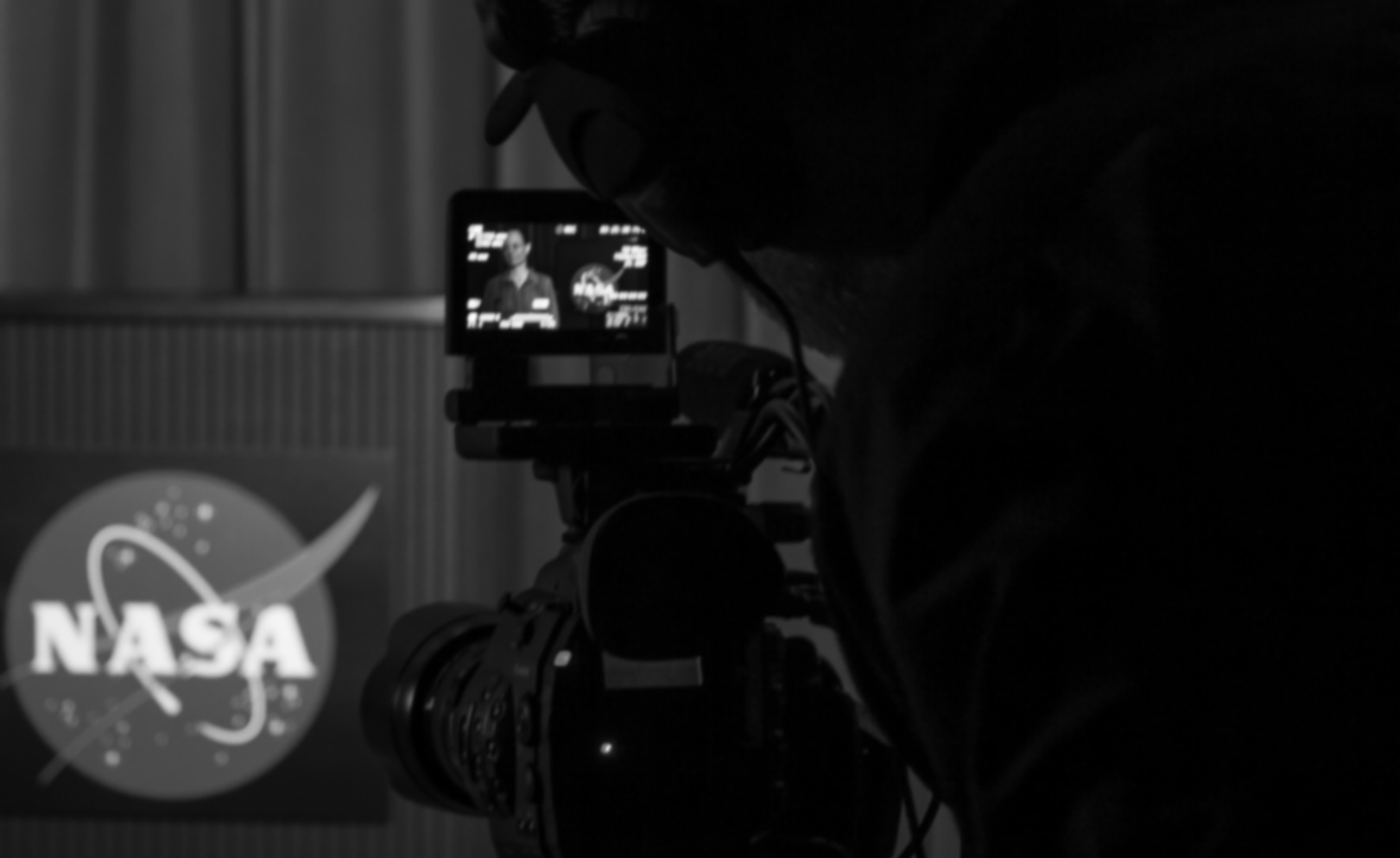
It is undeniable that video plays a large part in our lives. Every day we switch on our computers, look at our phones and scroll through pages and pages of content. Whether it is news or updates from friends on social media or Whatsapp, it is more than likely that a lot of that content includes video.
There are so many statistics floating around about how much video we consume. You would have heard claims like, “YouTube is the second largest search engine in the world” and “45% of people watch an hour or more of video per day”.
Considering how much video we are all consuming, it makes sense to use the media to share valuable information.
So, how can you use the power of video to inspire others into action? Here are six tips to help you achieve just that.
1. Write For Your Audience
When you are planing any communication, the first question to ask is, ‘who is the audience?’ For video, this is especially important because not only do we need to consider the look and feel of the final video, but also the level of language. For example, if your audience is a general audience, aim for a language level that would be understood by the general population.
There are plenty of readability tests you can use as a guide (e.g. the Gunning Fog index). In all cases, clear and simple language should be the aim. Consider whether your target audience would reasonably understand your communication.
Ideally, have the draft video script reviewed by someone who represents your target audience, and amend the writing to ensure they understand it clearly.
2. What Do You Want Your Audience To Do?
It may feel counterintuitive, but start at the end.
What do you want your audience to do after they have watched your video? If you want them to visit your website, then place a link to your website at the end of the video.
Always consider including a call to action at the end of every video. After all, if your audience has watched a video to the end, it means that they are interested. So, invite them to take the next step to engage with you.
3. Be Realistic About The Medium
Consider that your video is going to be an introduction of sorts. Watching a video may not change how someone thinks, but it can plant an idea. This is powerful.
Given this point, avoid cramming your video with detailed information. The most effective videos have just one key idea. If you try to cover lots of information, this risks overwhelming your audience and they may lose interest. If there is a lot of information you want to communicate, consider sharing this in a PDF document, while your video can provide an overview.
4. Videos Are Visual
Videos are very different to written content, and therefore they require a different approach. Although writing for a video is a key part of the process, there is much more to consider. For everything that is said in a video, there is something visual happening on screen—video is an audiovisual experience.
While you are writing a script or thinking about what to say, consider that for every single word and every sound, something will be seen at the same time. Think about what those things are as you are planning your video.
For example, is it better to see a person on camera saying the words, or would it be better to show some footage of the thing they are talking about?
Seeing a person’s face on video for the entire duration may be too much ‘talking head’, so you may want to consider using other visual elements such as text on screen, still images or stock footage that align with what is being said.
5. Word Count
As a rule of thumb, 75 words is equal to 30 seconds of video. As you are drafting a script do a word count so that you have a realistic idea of how long your video will run for.
We always advise that videos should be kept relatively short: aiming for 3 minutes maximum. This equates to no more than 450 words.
In addition to this, leave space for pauses—giving your audience time to process the information as it is presented. So, consider aiming for an even lower word count than this rule of thumb.
6. Be Cognisant Of Cognition
If we hear spoken words and see different words appear on screen at the same time, our brains cannot process these two pieces of information at the same time because it is the same area of the brain that is working to process language. In this case, we either ignore the text and hear the words, or we read the text and don’t hear what is being said.
If your video will feature a person speaking and you will also have words on screen, always use the exact same words as are being spoken. They don’t have to be all the words being said, but avoid using words that are not spoken.
However, if you do have a break in the video where we do not hear words being spoken, you can certainly display any words you wish. Because in this case, the audience only needs to read the words—they are not hearing words at the same time while they are reading.
As you write your script, consider what will be said and if some of those words would work if displayed.
We hope these pointers help you produce video content that is more effective. When you create video content that really engages with an audience, they notice and will hopefully follow through on your call to action—taking steps to make a positive difference in their actions.
Want To Learn More?
For more information or if you have specific questions about how you can better leverage the power of video to make a difference, contact us any time.
If you want to learn more about how to make your own effective video content, check out our Learning Site—it contains plenty of information and resources, as well as links to online training courses we offer.