You may know a thing or two about video editing. You may have commissioned someone to do some editing for you or your organisation, and you may even have edited something yourself using software like iMovie.
Did you know that there are two sides to video editing? There is the technical side and there is the conceptual side. This article briefly outlines each side of editing: to give you a better idea of what is involved and why it is important to consider both sides when you are commissioning a company to edit your footage.
The Technical Side Of Video Editing
Once your footage has been shot, it needs to be edited into a singular piece of content that can be uploaded and shared widely: whether on television, a website or social media.
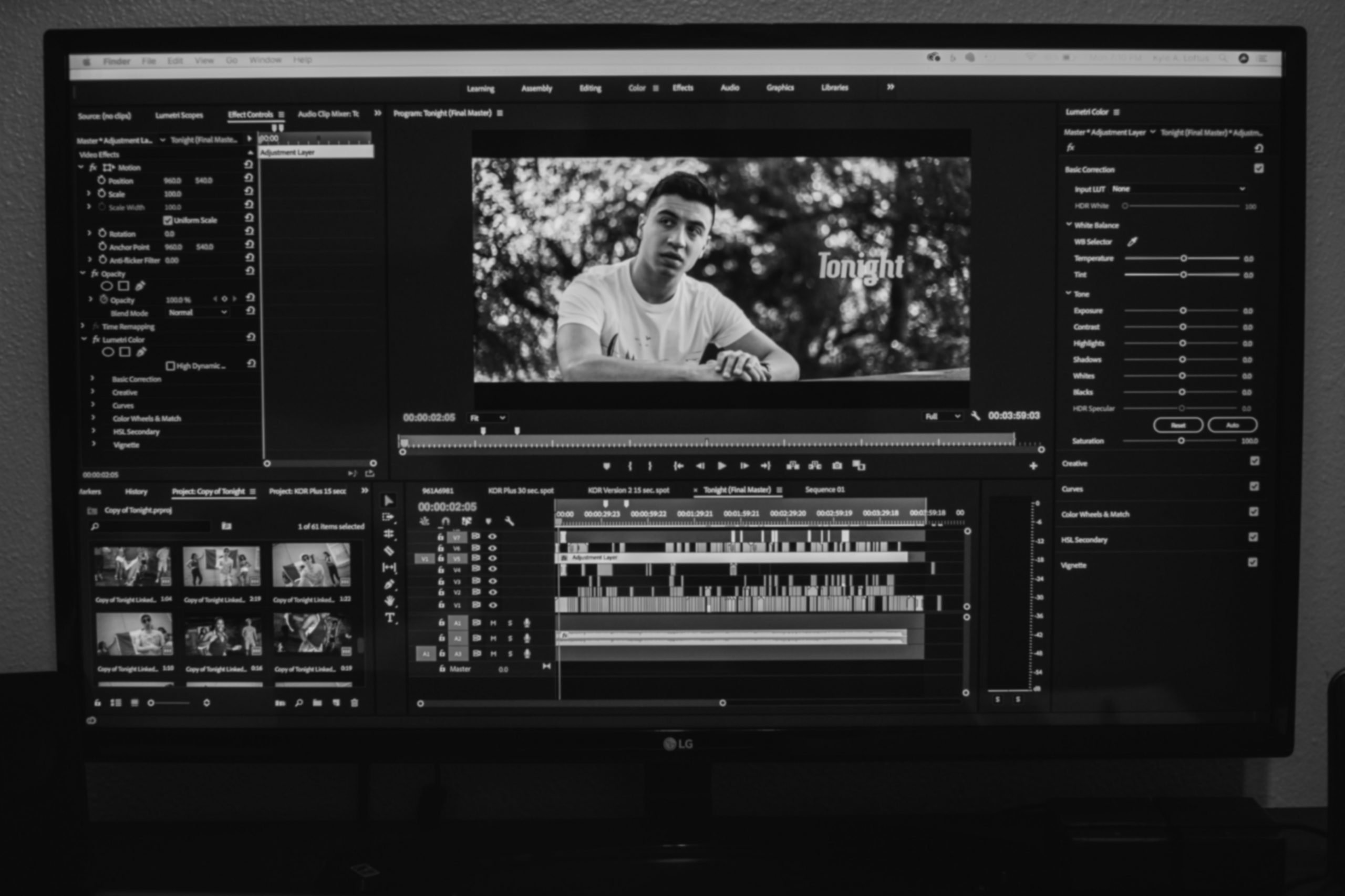
To create a piece of content from footage, the footage needs to be edited using editing software. The footage and any audio recordings are ingested into the software and synced so that the audio you hear matches with the images you see of the people speaking.
The footage may have been shot using multiple cameras and may also include some additional footage such as b-roll (cutaway shots) or time-lapse.
Once all the footage and audio is ingested into editing software, the editor needs to arrange the footage onto a project timeline.
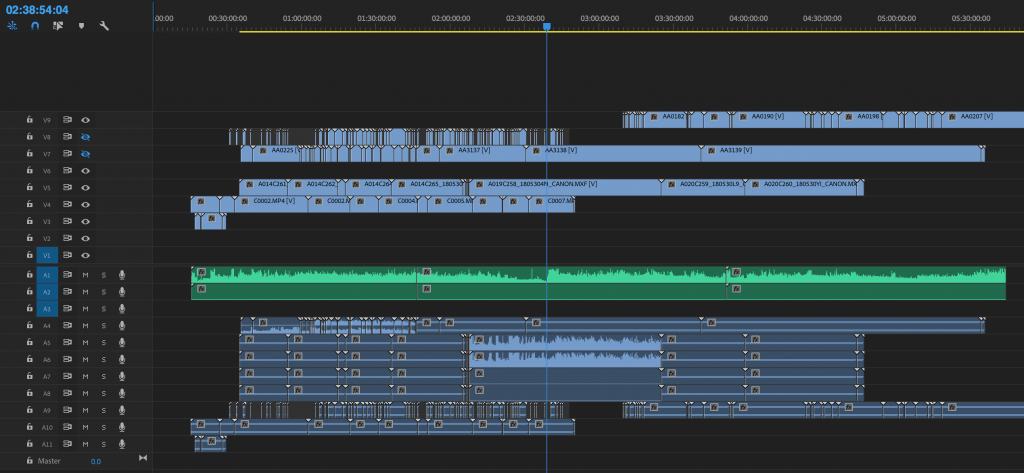
Once all the footage (and audio) is on the timeline, the editor then proceeds to edit. Editing involves hundreds of decisions: based on both technical and conceptual considerations.
The Conceptual Side Of Video Editing
It is one thing to have shot beautiful footage that sounds great. It is quite another thing to edit this footage to create a succinct piece of content that engages with your audience and tells a story. The choices made in the editing phase (post-production) determine whether or not the content will be successful.
Editing is highly conceptual. When we approach the editing phase, we ask important questions like:*
- Who is your target audience?
- What style will engage with them? For example, do we want the tone to be upbeat with fast cuts for a younger audience?
- What is the story here?
- What is the goal of your content? Is it to inform, entertain, or inspire viewers to take action?
Combining The Technical And Conceptual
The editing process comprises many hundreds of decisions. This is no exaggeration.
Editing is a mix of technical and conceptual decisions that are made to ensure we deliver a piece of content that meets the needs of the project.
When editing, we review and select the most appropriate footage given the considerations mentioned above. This involves decisions like:
- Which takes are the best?
- How do we organise and order the footage so that it tells the right story? For example, we can start with the student recalling what inspired them to study at university; then we will cut to b-roll of them studying at the university; and we will end with them discussing their hopes for the future.
- Which camera angles are best for each portion of the edit? For example, if the content is about someone in a position of power, we may choose a camera angle that looks up at the character in the powerful position.
In addition to working with the footage, there are the other elements to add to the edit: such as the music soundtrack, logos, any pre-existing footage and static images. These elements also need to be added in such a way that help ensure the content is cohesive and tells the right story for the right people. Decisions here include:
- What is the best style font, font size and font colour to use?
- Which colours work best for any titles?
- How do we display any logos? In the lower right-hand corner of the screen? Should the logo have some opacity so that it is a little see-through?
- What transitions work best between the cuts? For example, we can add cross-dissolves between the cuts, or we can fade to black or white.
- What colour palette will work best for the footage? For example, if the content will be viewed on mobile devices, we would add some saturation so that the footage appears more vivid when viewed on a smartphone.
- What style of music will work best? Upbeat? Corporate? Fast- or slow-paced?
- Are there sections of the video where we will fade out the music and go to silence? If so, where will be the most effective places for this?
- When we export the file, what is the best file format to export to? For example, if the content will be viewed on larger screens we will export to 4K quality is appropriate. Otherwise, if the content will be exclusively for mobile and is of long duration, we can just export it to 720p HD quality.
Hopefully these examples and brief explanation gives you a better idea of how video editing is both technical and conceptual. There are many hundreds of decisions that go into an edit, which is why it is important that we understand upfront what your goals are for the content. By being clear upfront, we can better ensure the success of your video content.
*Please note that we actually ask these questions before we even shoot the footage: to help ensure we get the shots we need to meet your project’s objectives. However, we have mentioned these questions here because this article is specifically about the editing phase of post-production, and the same questions apply to this phase.
Get In Touch
As always, if you have any questions about anything, reach out to us. We would be more than happy to discuss your next video project, and to determine if there may be a way that we can work together to turn your concept into vision.